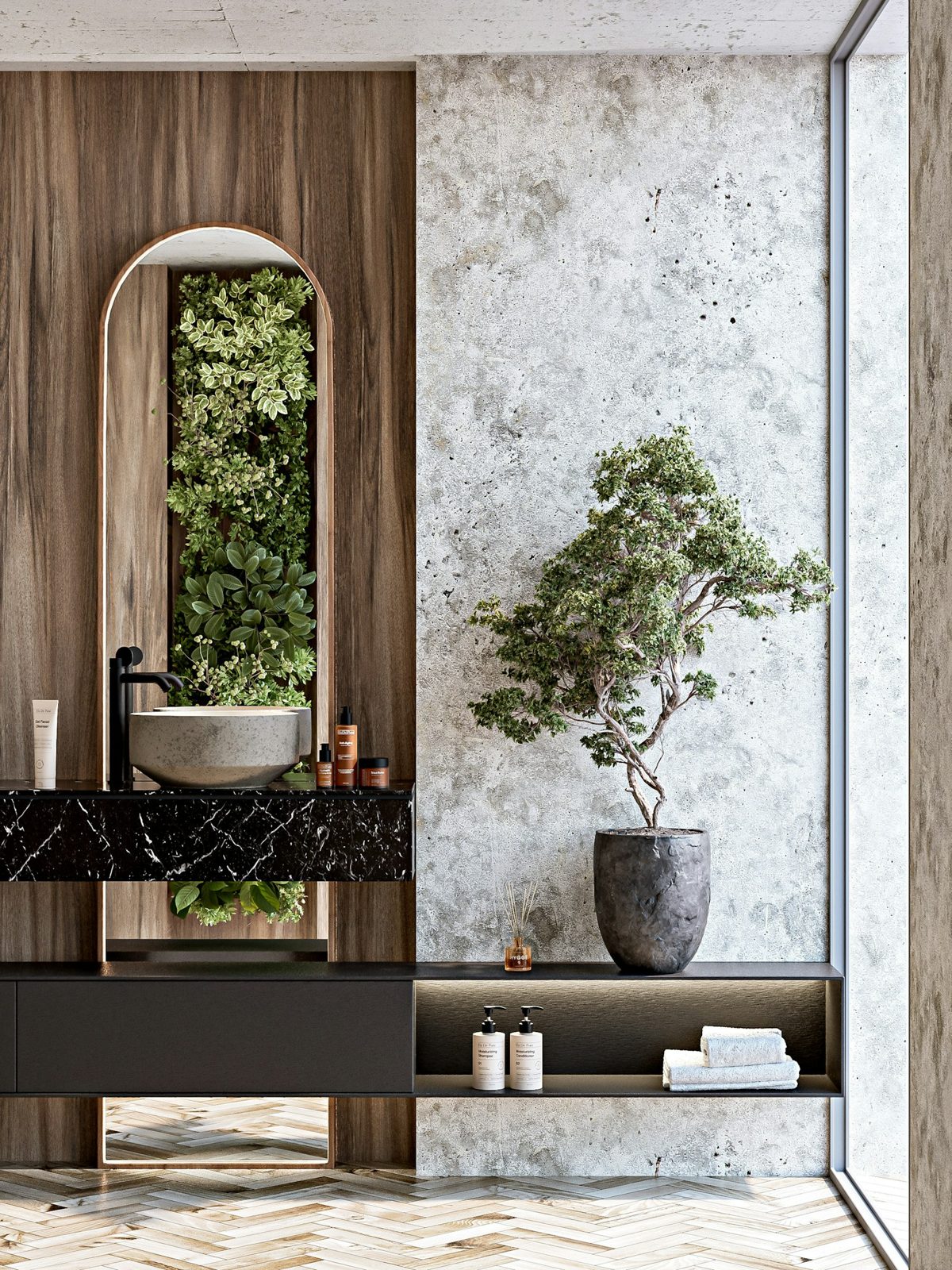
Why storage matters
A bathroom with too little storage never looks tidy. Bottles crowd the vanity top and the shower floor, towels hang over the door, and spare toilet rolls sit on the cistern. Good storage keeps the room calm, makes cleaning easier and helps everyone in the household find what they need.
Many bathrooms in Morwell, Moe and Newborough were built in the post-war years with a pedestal basin, a small mirror and a linen cupboard in the hall. Families have outgrown them. Even bathrooms in newer homes around Traralgon and Churchill often rely on a standard vanity with a single cupboard. A renovation is the chance to plan storage properly.
This guide describes the main types of bathroom storage and how to choose them.
Start with an inventory
Before choosing storage, list what you keep in the bathroom now and what you would like to keep there. Include:
- Daily toiletries for each person.
- Hair dryers, straighteners and shavers.
- Medications and first aid supplies.
- Cleaning products.
- Spare toilet rolls, soap and toiletries.
- Towels and face washers.
- Bath toys, if there are young children.
- Make-up and skincare.
Group items by how often they are used. Daily items should be within easy reach. Spares and occasional items can go higher or lower.
Vanities
The vanity is usually the main storage in a bathroom.
Drawers versus doors
Drawers make it easier to see and reach everything, especially at the back. Cupboards with doors suit tall items such as cleaning bottles. Many vanities combine both. Internal drawers inside a cupboard give the best of both.
Drawer organisers
Dividers and trays in drawers keep small items in order. A drawer with a U-shaped cut-out around the waste pipe uses space that would otherwise be lost.
Wall-hung vanities
Wall-hung vanities leave the floor clear, making the room feel bigger and easier to clean. They hold slightly less than floor-standing vanities, but drawers make the most of the space.
Double vanities
In family bathrooms and ensuites, a double vanity or a long vanity with two basins gives each person their own storage.
Shaving cabinets
A mirrored shaving cabinet above the vanity is one of the most useful storage items in a bathroom. It keeps daily items at eye level and frees the vanity top. Options include:
- Cabinets with internal shelves and power outlets for shavers and toothbrushes.
- Cabinets recessed into the wall, so they sit flush with the tiles.
- Cabinets with integrated lighting and demisters.
A recessed cabinet needs space in the wall cavity, so plan it before the walls are lined.
Tall cabinets
A tall cabinet beside the vanity holds towels, spare toiletries and cleaning products. In bathrooms without a linen cupboard nearby, a tall cabinet can make a big difference. Choose one deep enough for folded towels.
Recessed niches
Niches are recessed shelves built into the wall cavity, usually in the shower. They keep bottles off the floor and out of the way. Niches can also be built beside the bath, above the toilet or beside the vanity for decorative items or toiletries.
Niches must be planned before the walls are lined, and those in wet areas must be waterproofed carefully. Their position needs to avoid plumbing and electrical services in the wall.
Open shelving
Open shelves suit towels, baskets and decorative items. They are easy to reach but show everything, so they work best for items that look tidy. Timber shelves need to be sealed for the humid bathroom environment.
Storage above the toilet
The wall above the toilet is often unused. A cabinet, shelves or a recessed niche here can hold spare toilet rolls and toiletries. With a wall-hung or back-to-wall toilet, a ledge can be built above the concealed cistern.
Storage in small bathrooms
In small bathrooms, every bit of space counts.
- Choose a wall-hung vanity with drawers.
- Use a recessed shaving cabinet rather than a flat mirror.
- Build niches into the shower and walls.
- Use the space above the toilet.
- Mount towel hooks on the back of the door.
- Use a slim tall cabinet in a corner.
Storage for families
Families need storage for everyone.
- Give each person a drawer or shelf.
- Keep medications and cleaning products in a high or lockable cabinet out of reach of children.
- Provide a basket or container for bath toys that can drain.
- Mount towel hooks at a height children can reach.
- Include a laundry basket in a cabinet or nearby.
Storage for ensuites
Ensuites often need storage for two people’s daily items, hair appliances and skincare. A double vanity, a large shaving cabinet with power outlets and a drawer for appliances are useful.
Storage in powder rooms
Powder rooms need only a little storage: spare toilet rolls, hand towels and soap. A small vanity, a recessed shelf or a slim cabinet is usually enough.
Materials for damp bathrooms
In the Latrobe Valley’s cool, damp climate, bathroom cabinetry needs to handle humidity.
- Choose moisture-resistant board with sealed edges, or plywood, solid timber or other durable materials.
- Choose quality hinges and drawer runners that resist corrosion.
- Make sure the room is well ventilated so cabinets dry out.
Storage in post-war Morwell bathrooms
Post-war bathrooms in Morwell, Moe, Newborough and Yallourn North were often built with almost no storage at all: a pedestal basin, a small mirror on a chain and perhaps a glass shelf. The linen press was in the hallway. These rooms are small, so storage has to be clever.
- Replace the pedestal basin with a wall-hung vanity with two deep drawers.
- Recess a shaving cabinet into the wall above, using the depth of the wall cavity.
- Build a long niche into the shower where the bath used to be.
- Add a shelf or cabinet above the toilet, if the toilet is in the room.
- Use the back of the door for robe hooks.
Where the hallway linen press backs onto the bathroom, part of it can sometimes be opened into the bathroom as a recessed cabinet, keeping the rest for linen.
Storage in newer homes
Bathrooms in brick veneer homes from the 1980s onward usually have a vanity and a mirror, but storage is often poorly organised. A vanity with a single cupboard and a fixed shelf wastes space. Replacing it with drawers, adding a recessed shaving cabinet and building niches into the shower can double usable storage without enlarging the room.
Laundry and bathroom storage together
In many homes, the laundry sits next to the bathroom. Planning storage for both rooms together can help. Cleaning products, spare toilet rolls and bulk toiletries can live in tall laundry cupboards, leaving the bathroom for daily items. Towels can be stored in the laundry near where they are washed and dried.
Hidden storage
Some storage can be almost invisible.
- Push-to-open drawers and doors without handles.
- Mirrored cabinet doors that read as a single mirror.
- Niches tiled in the same tile as the wall.
- Toe-kick drawers under a floor-standing vanity.
- A cabinet built into the wall cavity behind the door.
Storage for accessibility
For older people or people with reduced mobility, storage should be reachable without bending low or stretching high. Drawers at waist height, a shaving cabinet set slightly lower, D-shaped handles that are easy to grip and a shelf in the shower at seated height all help.
Storage for cleaning
Keep cleaning products for the bathroom in the bathroom, so they are on hand. A small cupboard under the vanity, ideally with a child lock, holds a spray bottle, a cloth and a squeegee. A hook in the shower for the squeegee makes the daily wipe-down a habit.
Avoiding clutter
More storage only helps if it is used. Before the renovation, clear out expired medications, old toiletries and products you never use. Plan storage for what remains.
Can I have storage in the shower without a niche?
Yes. Corner shelves, a recessed ledge along a half-height wall or a stainless caddy are alternatives.
Is open shelving practical in a bathroom?
It works for rolled towels and baskets, but items on open shelves gather dust and moisture, so closed storage is better for most things.
How deep should a niche be?
Niches use the depth of the wall frame, so they are usually around 75 to 90 millimetres deep, enough for most bottles.
Storage in bathrooms across the district
We plan storage for bathrooms, ensuites and laundries in Morwell, Traralgon, Churchill, Moe and nearby towns, from compact post-war rooms to large family bathrooms.
Planning storage on the drawings
Storage works best when it is drawn into the plan from the start. Mark the vanity, shaving cabinet, niches, tall cabinets and shelves on the drawings, with their heights and widths. Check that drawers can open fully without hitting the toilet, door or screen, and that cabinet doors clear tapware and towel rails. This avoids surprises on installation day.
Matching storage to the style of the room
A timber-look vanity with matching open shelves suits a warm, natural style. Handle-less gloss cabinets suit a sleek contemporary bathroom. Shaker-style doors with brass handles suit a classic or farmhouse look. Keeping cabinetry in one style ties the room together.
Can I add storage without a full renovation?
Yes. A new vanity, a shaving cabinet or wall shelves can be added on their own, though niches and recessed cabinets are best built during a renovation.
Storage for shared bathrooms
When several people share a bathroom, give each person a defined space: a drawer, a shelf in the shaving cabinet or a hook for their towel. Clear zones reduce clutter and morning arguments. Colour-coded containers inside drawers help younger children find their things.
Hidden storage
Not everything needs to be on display. A toe-kick drawer under the vanity can hold spare toilet rolls or cleaning cloths. A mirrored cabinet hides toiletries behind a clean face. A cabinet above the toilet uses wall space that is otherwise wasted. Even the space inside a stud wall can become a shallow recessed cabinet for small items.
How deep should a shower niche be?
Niches are usually the depth of the wall frame, which suits most bottles. We size them to suit your products and align them with the tile layout.
Storage for cleaning products
Keep cleaning products in a lockable or high cabinet if young children visit, so they stay safely out of reach.
Book a design consultation
If you need more storage in your bathroom in Morwell, Traralgon, Churchill or a nearby town, book a design consultation. We will look at what you keep in the room and plan storage that suits your household.
Our bathroom services
- Accessible Bathrooms
- Bathroom Design
- Bathroom Renovations
- Bathroom Tiling
- Ensuite Renovations
- Laundry Renovations
- Leaking Shower Repairs
- Powder Room Renovations
- Shower Conversions
- Small Bathroom Renovations
- Vanity and Storage
- Waterproofing
Book a design consultation
Tell us about your bathroom, ensuite or laundry and we will visit to measure, talk through ideas and prepare a clear written scope.
Book a design consultation