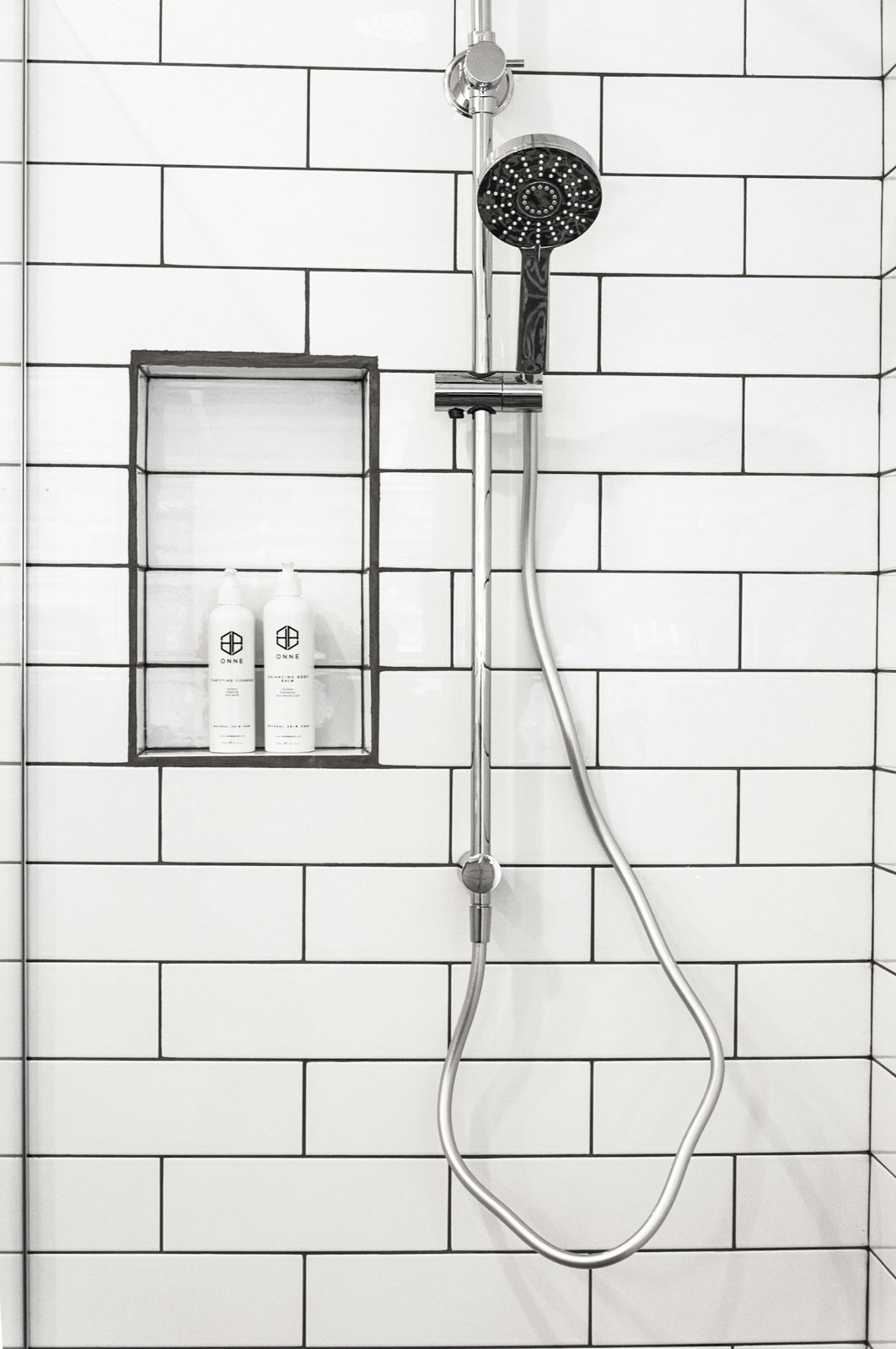
The work you never see, and the work that matters most
Once a bathroom is finished, the waterproofing is completely hidden. You see the tiles, the grout, the tapware and the screen, but not the membrane beneath them that stops water reaching the floor, the walls and the framing. Yet that membrane is the single most important part of the room. When it is designed and installed properly, a bathroom can last for decades. When it is not, water escapes into the structure, often without any visible sign until the damage is serious.
We waterproof every wet area we build in Morwell and the surrounding Latrobe Valley towns to AS 3740, and we document each stage with photographs. We also take on waterproofing as part of shower rebuilds and laundry renovations.
Why tiles and grout are not enough
Many people assume that tiles keep water out. They do not. Grout is porous, and even the best-laid tiles have joints, corners and penetrations where water can get through. Over time, grout cracks, silicone shrinks and small gaps appear. The membrane underneath is what stops that water reaching the structure.
What AS 3740 requires
AS 3740 is the Australian Standard for waterproofing domestic wet areas. It covers:
- Which areas must be waterproofed, such as shower floors and walls, bathroom floors, the area around baths and laundry floors with floor wastes.
- The extent of waterproofing, including how high it must go up walls and how far it must extend beyond the shower.
- Junction treatment, including bond breakers at wall-to-floor and wall-to-wall junctions so the membrane can move without tearing.
- Penetrations, such as taps, shower arms and pipes, which must be sealed.
- Floor wastes, which need a puddle flange bonded to the membrane.
- Falls, so water drains to the waste.
- Movement joints, which allow the building to move without cracking the tiles and membrane.
We treat the standard as a minimum and often go further, such as waterproofing the entire bathroom floor.
Our waterproofing process
Preparing the substrate
The membrane is only as good as the surface it is applied to. We make sure floors are stiff and flat, walls are lined with suitable wet-area sheeting, and surfaces are clean, dry and sound.
Setting the falls
Shower floors and floors with a waste must fall correctly so water drains away. We form the falls in a screed or in the substrate, depending on the floor construction.
Priming
A primer is applied to help the membrane bond to the substrate.
Bond breakers and reinforcement
At internal corners and wall-to-floor junctions, we install bond breakers. These allow the membrane to stretch slightly as the building moves, rather than tearing. Reinforcing tape or fabric is added where required.
Puddle flanges and penetrations
A puddle flange is installed at each floor waste and bonded into the membrane. Every pipe and tap penetration is sealed with collars or sealant suited to the membrane.
Applying the membrane
The membrane is applied in the number of coats the manufacturer specifies, to the required thickness, with drying time between coats.
Curing
The membrane must cure fully before tiling. In cold, damp weather this takes longer, and we allow the time needed rather than rushing.
Inspection and photographs
Each stage is inspected and photographed. You receive the photographs and compliance documentation at handover.
Waterproofing on timber floors
Timber floors move more than concrete, particularly with seasonal changes in moisture. In older Morwell homes on stumps, we check the floor structure carefully, add noggings or extra joists where needed and use suitable substrates. A floor that flexes will eventually crack the membrane and tiles, so stiffness is essential.
Waterproofing on concrete slabs
Concrete slabs are more stable, but they still need proper preparation. We check for cracks, level any unevenness and form falls in a screed where needed.
Laundries and powder rooms
Laundries with a floor waste need the floor waterproofed and the walls protected behind the tub. Powder rooms without a shower have different requirements but still need attention around the toilet and basin.
Signs of failed waterproofing
- Grout or tiles that are stained or loose around the shower.
- Swelling or rotting skirting boards, door frames or vanity bases.
- Damp patches or mould on walls adjoining the bathroom.
- A musty smell that does not go away.
- Water stains on the ceiling below, in two-storey homes.
- Floor tiles that sound hollow when tapped.
If you notice any of these, it is worth getting the bathroom inspected before the damage spreads.
Why we photograph everything
Because the waterproofing is invisible once the room is finished, photographs are the only record of how it was done. They protect you as the homeowner and give future buyers confidence. They also hold us to a high standard on every job.
Waterproofing in the Latrobe Valley climate
Cool, humid winters slow drying and curing times. We follow manufacturers’ guidance closely, allow extra time when conditions require it and never tile over a membrane that is not ready.
Common questions
Can you waterproof over existing tiles?
In most cases, no. To waterproof properly, the old tiles and linings need to be removed so the membrane can be applied to a suitable substrate.
How long does the membrane take to cure?
That depends on the product and the weather. We follow the manufacturer’s requirements and allow extra time in cold, damp conditions.
Will I receive a certificate?
Yes. You receive compliance documentation and photographs at handover.
Waterproofing in older Morwell homes
Most bathrooms built before the 1990s were not waterproofed to the standard we expect today. Some had a membrane only on the shower floor; some had none at all, relying on a mortar bed and glazed tiles. In Morwell’s post-war homes, it is common to find that water has been escaping for decades, slowly damaging the floor and framing. When we renovate these rooms, we remove everything back to the frame, repair the structure and build a complete waterproofing system to AS 3740.
Waterproofing level-entry showers
Level-entry showers need special attention, because there is no hob or step to hold water back. The floor must fall correctly, the linear drain or waste must be set at the right level, and the membrane must extend across the whole bathroom floor. A water stop angle may be installed at the bathroom door. We plan these details carefully, because they are what make a level-entry shower work.
Waterproofing niches and shelves
Recessed niches are a common weak point. Water can sit on the niche shelf and find its way through any gap at the corners. We waterproof niches carefully, with bond breakers and reinforcement at internal corners, and set the base of the niche with a slight fall so water drains out.
Waterproofing around baths
Baths need waterproofing on the walls behind and beside them, and the floor beneath built-in baths must be protected. For freestanding baths, the floor waterproofing and falls must suit the bath’s waste position.
The role of silicone
Silicone is used at internal corners, around the shower base and at junctions between different materials. It allows movement without cracking, but it is not a permanent seal. Over time it can split, discolour or come away, and it should be inspected and replaced as part of normal maintenance. The membrane underneath is what protects the structure if the silicone fails.
Choosing a membrane
There are several types of waterproofing membranes, including liquid-applied and sheet membranes. Each has its own preparation, application and curing requirements. We choose a membrane system suited to the substrate and the room, and we follow the manufacturer’s instructions in full.
Do laundries need waterproofing?
Yes, laundries with a floor waste need the floor waterproofed and the walls behind the tub protected.
Where we waterproof
We waterproof bathrooms, ensuites and laundries to AS 3740 throughout Morwell, Churchill, Traralgon, Moe and the nearby towns.
Flood testing where appropriate
On some projects, particularly shower recesses on timber floors, a flood test can be carried out after the membrane cures. The area is filled with water and checked for leaks before tiling, giving extra confidence in the finished result.
Book a design consultation
If you are planning a renovation, or you suspect the waterproofing in your bathroom has failed, book a design consultation. We will inspect the room and explain how we will waterproof your new bathroom to AS 3740.
Areas we service
- Boolarra
- Churchill
- Glengarry
- Hazelwood North
- Hazelwood South
- Jeeralang Junction
- Moe
- Morwell
- Newborough
- Toongabbie
- Traralgon
- Tyers
- Yallourn North
- Yinnar
Book a design consultation
Tell us about your bathroom, ensuite or laundry and we will visit to measure, talk through ideas and prepare a clear written scope.
Book a design consultation